
Guides
Digital vs. Paper Wedding Invitations: Which Is Better?
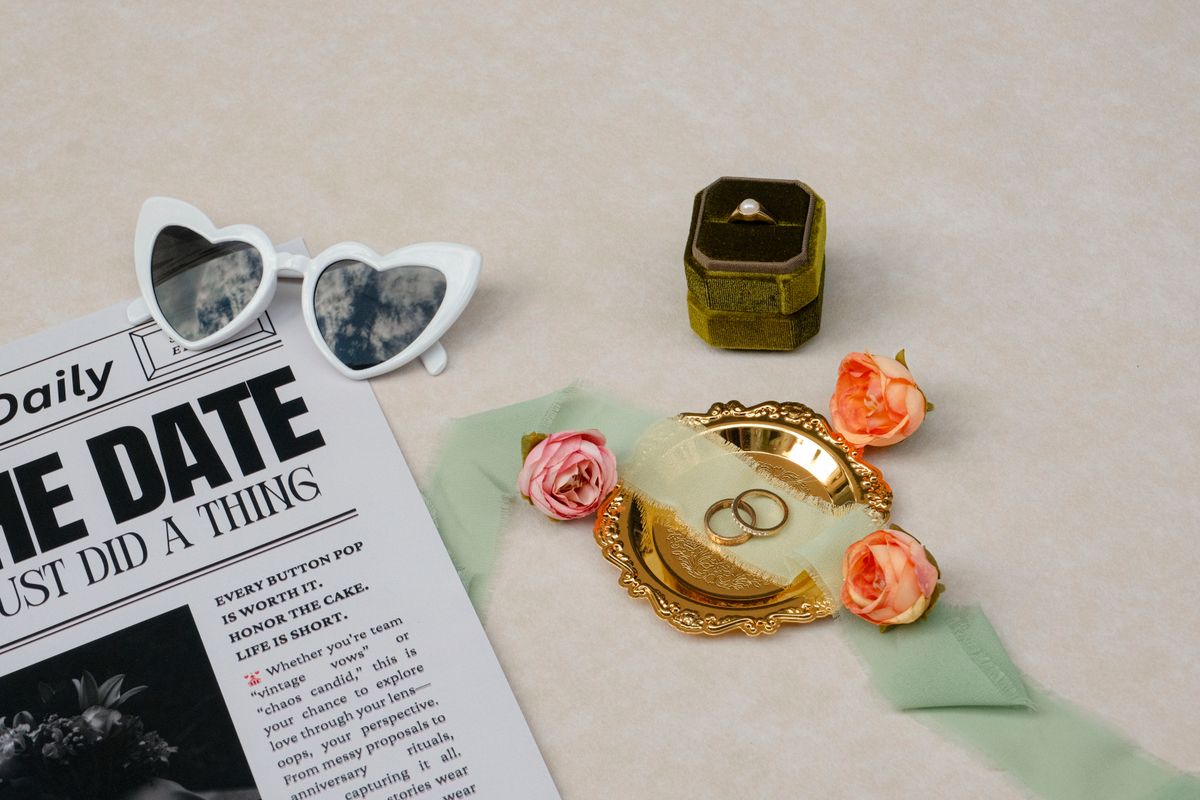
It is one of the first decisions you will make, and it is almost always framed as a duel: tradition against convenience. It really is not. Both options can be exquisite, and both can be careless. What matters is which one suits your guests, your budget, and the wedding you are actually planning.
The comparison, at a glance
| Digital invitation | Paper invitation | |
|---|---|---|
| Cost (100 guests) | One-time payment, a fraction | €300–€800 |
| Delivery | Instant, by link or WhatsApp | Days or weeks of post |
| Last-minute changes | Updates itself | Reprint everything |
| RSVPs | Automatic, in one dashboard | Chasing replies |
| Extras | Gallery, music, map, gift list | Only what is printed |
| Physical keepsake | No | Yes |
| Environmental footprint | Minimal | Paper, ink, transport |
What each one costs
On paper, each invitation costs between €3 and €6 a piece, and the bill does not end there: add envelopes, stamps — around €1 for domestic post — and international postage if some of your guests live abroad. For 100 guests it is easy to land between €300 and €800, and that figure climbs every time something changes, because a typo or a new start time means printing all over again.
A digital invitation is a one-time payment and costs a fraction of that. No envelopes, no stamps, no reprints. If you would like to see where this line sits within the whole budget, we break it down in our wedding budget guide.
What paper does beautifully
It would be unfair to reduce paper to its price. A printed invitation is an object: your guests hold it, pin it to the fridge, and keep it in a drawer for decades. Texture is part of the message — a good weight of card, a soft deckled edge, the faint impression of letterpress — and none of that survives on a screen.
Paper also sets a tone of ceremony. For a very formal wedding, or for the guests who are genuinely delighted to find an envelope in the post, there is still something irreplaceable about opening one.
What digital does beautifully
A well-designed digital invitation arrives instantly, travels by WhatsApp or a private link, and asks nobody to hunt for a stamp. But its real advantage is not speed — it is everything the invitation can keep doing once it has been sent:
- It updates itself. The time changes, the venue changes, and every guest sees the correct version at once. No reprints, no crossed-out lines, no confusion.
- It gathers the replies for you. Every RSVP lands in one dashboard with a running headcount. No more chasing answers around the family group chat.
- It carries all the details. Photo gallery, music, a map with directions, the dress code, a gift list. Everything that would otherwise end up on a loose insert card.
- It is kind to your guests. Adding the date to a calendar, opening directions on a phone, or replying in a single tap — no apps, no sign-ups.
- It does not get lost. The link is still there the night before the wedding, when someone needs to check the address one more time.
And one detail that often goes unnoticed: its environmental footprint is a fraction of paper, ink, and posting a hundred envelopes.
Your guests' experience
This is the question that really decides it. A guest who lives far away is grateful to receive everything at once and to pull it up on their phone on the morning of the wedding. An older guest, or one who is less at home online, may genuinely prefer an envelope in the letterbox.
The important part is that you do not have to choose the same thing for everyone.
The third option: both
The most graceful path usually runs down the middle. Send the digital invitation to everyone — with its RSVPs, its map, and its gallery — and keep a small printed run for parents, grandparents, and anyone else you like.
You get the ease of digital and the sentiment of paper, without printing a hundred cards that end up recycled.
How to decide in five minutes
Three questions and it becomes clear:
- How formal is your wedding, truly? The more ceremonious the day, the more paper earns its place.
- Where do your guests live, and how comfortable are they on a phone? If they are scattered or far away, digital is a genuine kindness.
- What is your budget honestly willing to carry? Every euro that does not go to the post office can go to the food, the photographs, or the music.
If your answers lean formal, local, and generous, paper will reward you. If they lean relaxed, scattered, or thoughtful with money, digital shines. And if you are still torn, the hybrid rarely disappoints.
In short
There is no wrong answer, but there is an answer that is yours. Paper wins on keepsake and ceremony; digital wins on cost, speed, flexibility, and everything that happens after you press send. Most couples today find that digital solves 90% of it, and that a few printed pieces cover the rest.
If you would like to see how yours would look, you can create your invitation and have it ready this afternoon.